Appliance Resources
Everything homeowners ask us before they ask for a repair — how long appliances last, how to keep yours running longer, quick checks to try before you call, and answers to common questions.
How Long Should Your Appliances Last?
Every appliance has a typical working life — knowing what's normal helps you plan ahead and decide whether an aging unit is worth repairing.
| Appliance | Typical Range | Average |
|---|---|---|
| Gas Range | 15–23 yrs | 19 yrs |
| Freezer | 12–20 yrs | 16 yrs |
| Electric Range | 13–20 yrs | 16 yrs |
| Refrigerator | 10–18 yrs | 14 yrs |
| Electric Dryer | 11–18 yrs | 14 yrs |
| Vent / Range Hood | 9–19 yrs | 14 yrs |
| Garbage Disposal | 10–15 yrs | 13 yrs |
| Gas Dryer | 11–16 yrs | 13 yrs |
| Dishwasher | 9–16 yrs | 12 yrs |
| Washing Machine | 8–16 yrs | 12 yrs |
| Trash Compactor | 7–12 yrs | 11 yrs |
| Compact Refrigerator | 4–12 yrs | 8 yrs |
| Microwave Oven | 5–10 yrs | 8 yrs |
Not sure if your appliance is worth repairing or replacing? We'll give you an honest answer, free.
Ask Us — Repair or Replace?Appliance Maintenance Tips
A few minutes of regular upkeep is the cheapest repair you'll ever make. Here's what actually moves the needle.
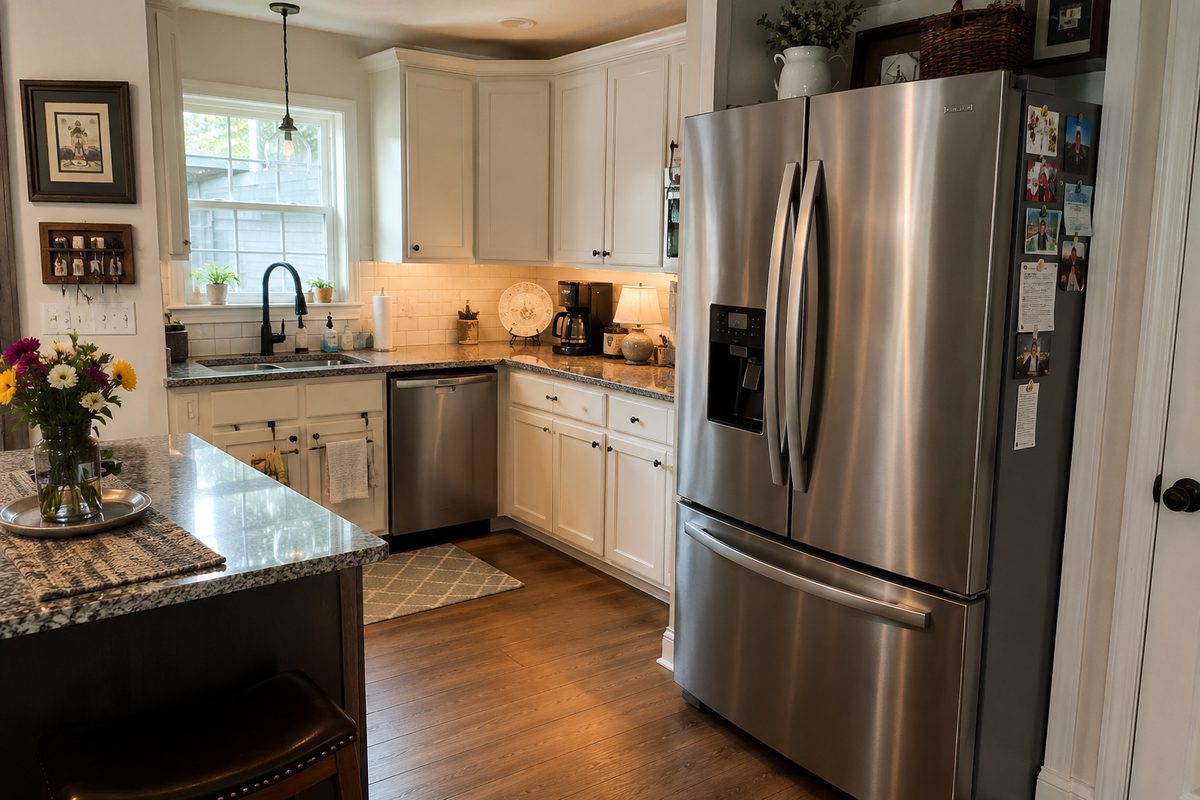
Refrigerator
- Vacuum condenser coils every 6 months
- Wipe door seals so they close tight
- Keep a few inches of clearance behind it for airflow
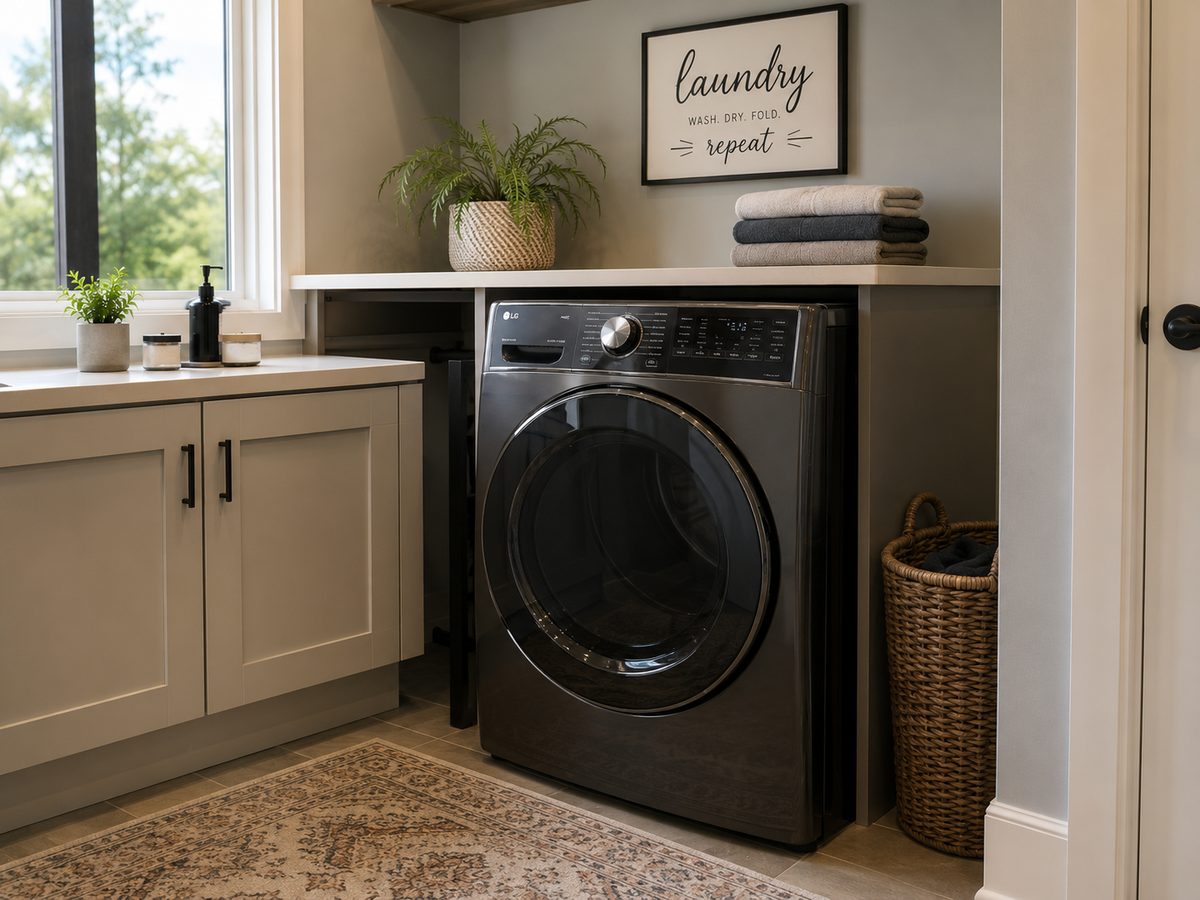
Washer
- Leave the door ajar between loads to prevent mildew
- Avoid overloading
- Inspect supply hoses yearly for cracks or bulges
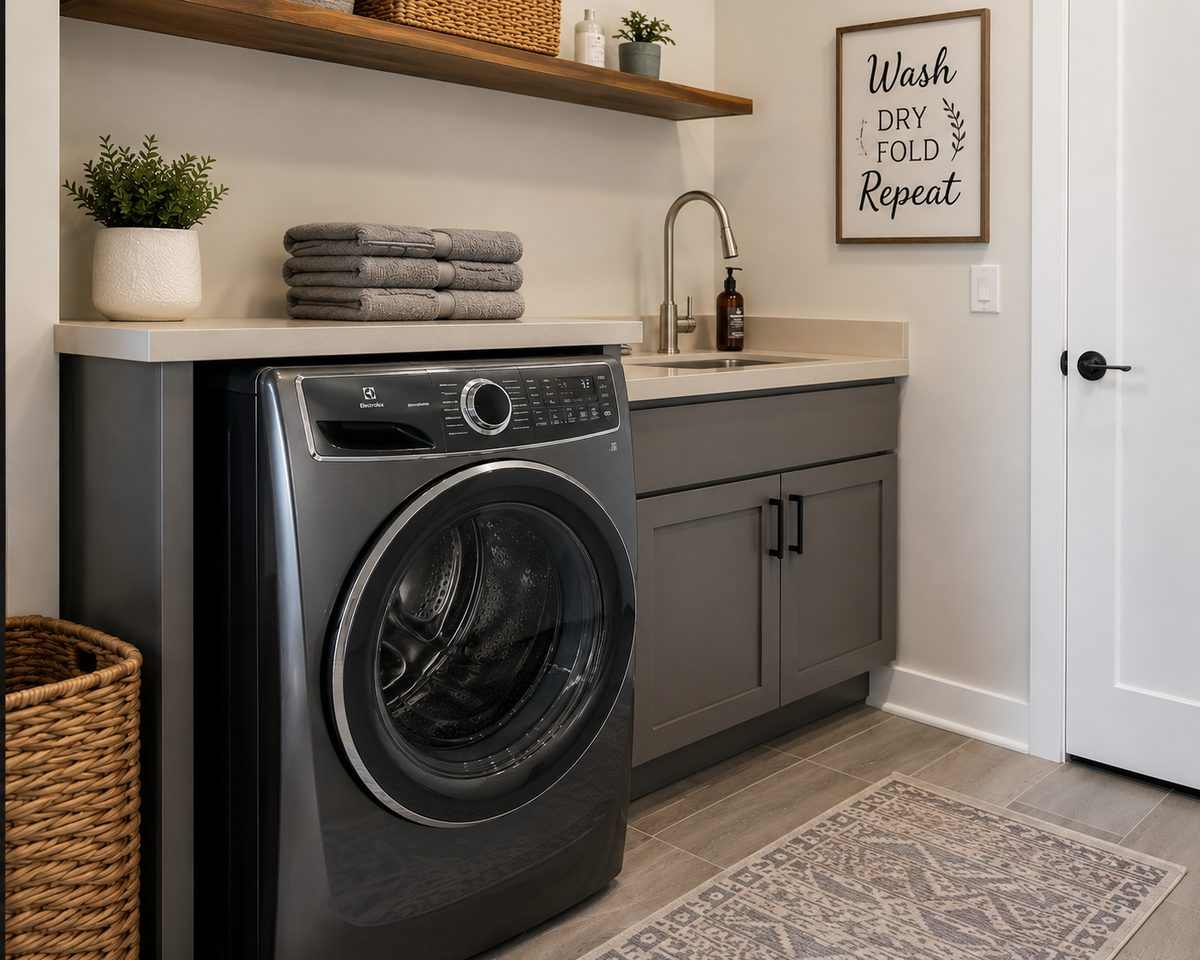
Dryer
- Clean the lint trap after every single load
- Have the vent duct professionally cleaned yearly
- Avoid overloading — it strains the motor and belt
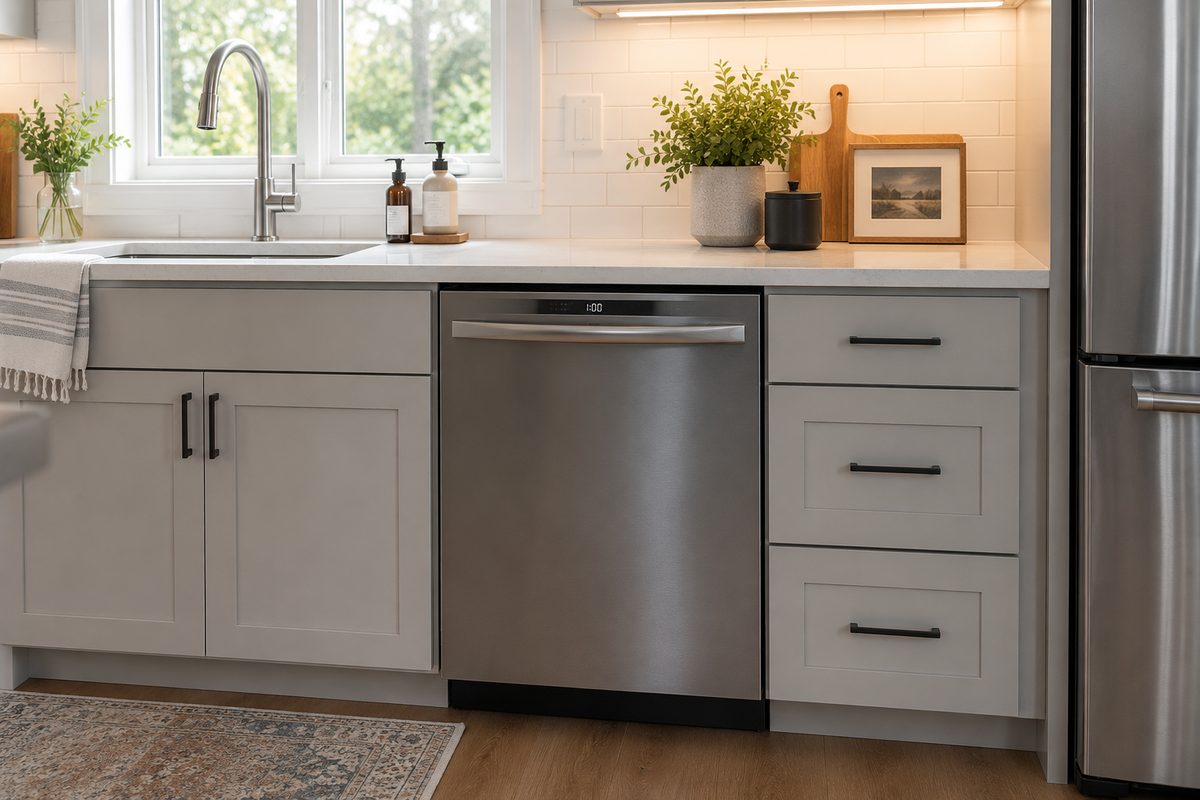
Dishwasher
- Run hot water in the sink before starting each cycle
- Scrape food scraps before loading
- Remove and rinse the bottom filter basket regularly
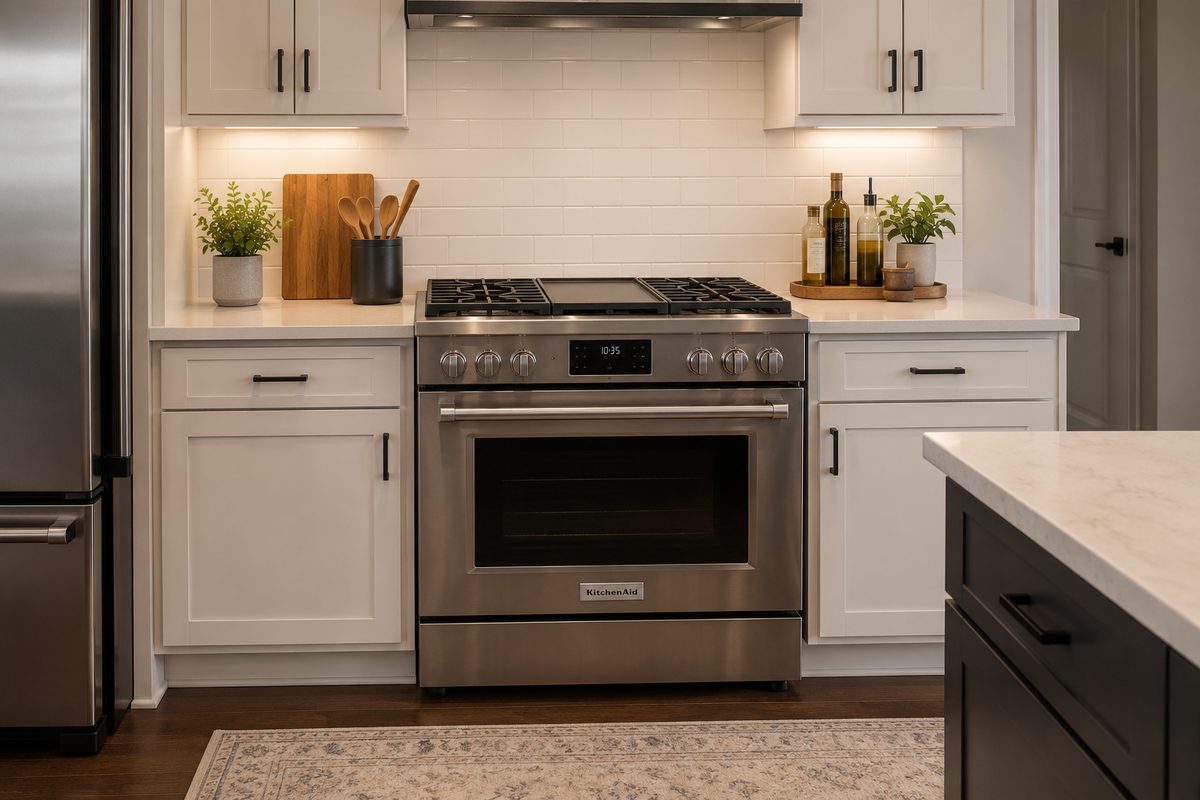
Oven & Range
- Wipe up spills before they bake on
- Use the self-clean cycle sparingly — it stresses heating elements
- Keep burner igniters free of food debris
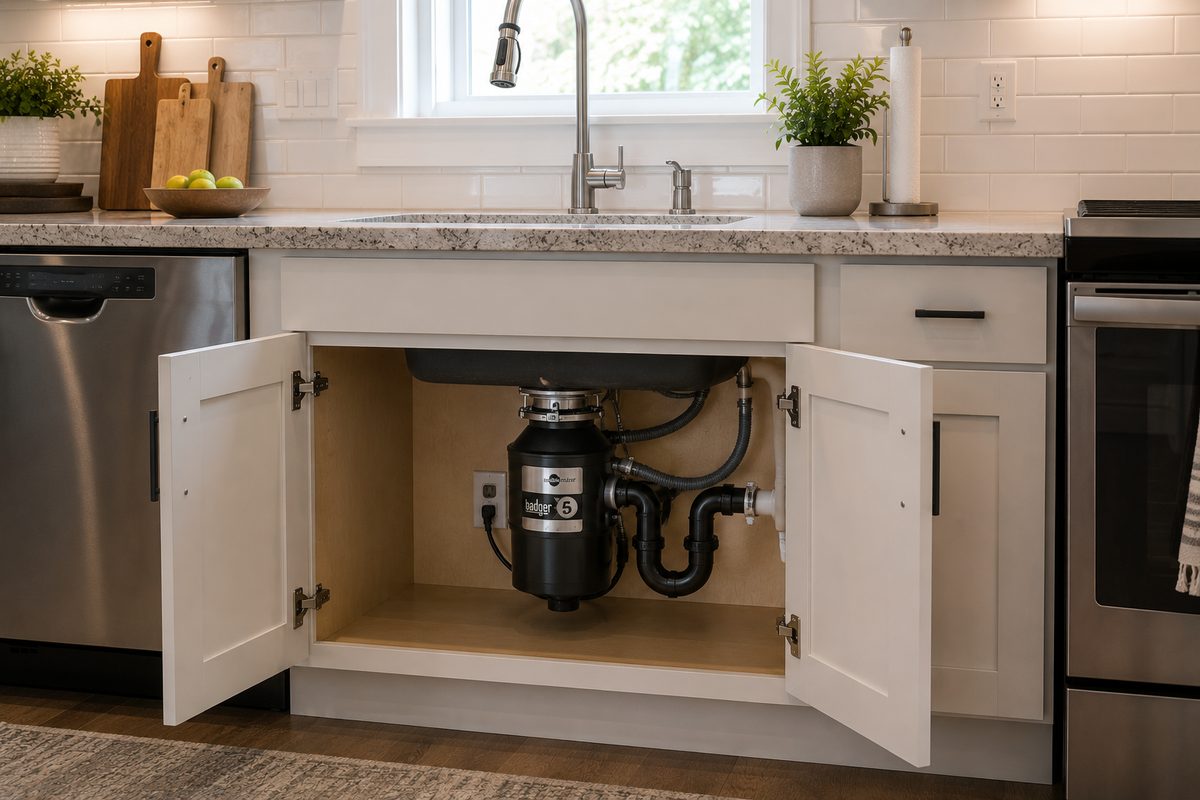
Garbage Disposal
- Run cold water for a few seconds before and after use
- Grind ice cubes or citrus peels monthly to clean and freshen
- Never put fibrous, starchy, or grease waste down it
Quick Troubleshooting Checks
A handful of appliance issues have simple causes. Try these safe checks first — if the problem sticks around, we're one call away.
Check that the thermostat is set correctly, the condenser coils (usually behind or underneath the unit) aren't caked in dust, the door seal isn't torn or dirty, and nothing inside is blocking the door from closing all the way.
Look for a kinked or clogged drain hose, make sure the load isn't too unbalanced or oversized, and confirm the lid or door is latching (many washers won't spin unless it senses a secure close).
Clean out the lint trap and check the exterior vent for blockage — a clogged vent is the most common cause. Also check your breaker panel for a tripped breaker, and for gas dryers, confirm the gas supply valve is fully open.
Check the spray arms for clogged holes, make sure large dishes aren't blocking their rotation, use a rinse aid, and run the kitchen faucet until the water's hot before starting a cycle so the dishwasher fills with hot water from the first minute.
Make sure you're giving it the full preheat time, avoid opening the door repeatedly while baking (it lets heat escape fast), and check that racks are positioned as the recipe recommends — an oven thermometer can confirm if the internal temperature is running hot or cold.
That sound usually means the flywheel is jammed. Turn off power at the breaker first, then look underneath the unit for a small reset button and press it. Never reach into the disposal with your hand, even with the power off.
If you ever smell gas, see sparks, notice burning smells, or just aren't comfortable checking something yourself — stop. That's what we're here for.
Appliance FAQ
A common rule of thumb: if the repair cost is more than 50% of the price of a new unit, or the appliance is already past 75% of its typical lifespan (see our lifespan chart above), replacement is usually the better value. Anything short of that, repair is almost always the cheaper and greener option. We'll give you an honest recommendation either way.
Most major appliances benefit from a professional check-up once a year — it catches small issues (a worn seal, a failing belt) before they turn into a breakdown or a bigger repair bill.
Yes — it's the single biggest factor in whether an appliance hits the low or high end of its expected lifespan range. Simple habits like cleaning coils, vents, and filters go a long way.
Basic cleaning and the visual checks above are safe for most homeowners. Anything involving gas lines, refrigerant, or internal electrical components should be left to a licensed technician — both for your safety and to avoid voiding your appliance's warranty.
We service all major brands including Whirlpool, Samsung, LG, GE, Maytag, KitchenAid, Frigidaire, Bosch, Kenmore, and Amana. See our services page for the full list.